


If you’ve ever felt lonely, then you should be aware that you’re not alone. According to the British Red Cross, over nine million adults in the U.K. feel the same way – that’s about 20 % of the country’s population!
Loneliness is increasingly being considered a hazard to human health in the same way that obesity and smoking is.
Now, even governments are getting involved.
In 2018, the U.K. appointed a Loneliness Minister, in order to help combat the country’s chronic loneliness problem.
However in the U.S., whilst loneliness is labeled an epidemic worthy of a public health intervention, there hasn’t been any major government action yet.
So why exactly is loneliness such a big problem? After all feelings of loneliness affect everyone at some point.
However persistent loneliness can become a serious problem which damages physical health and can shorten lifespan.
An epidemic? Really?

The term epidemic is usually stamped on infectious diseases that spread across populations, but loneliness is currently impacting people in similar numbers thus creating public health concerns.
For instance in 2015 the U.K. recorded 435,000 diagnosed cases of sexually transmitted infections (about 0.65% of the population), which is a lot less than the 1/5 of the population who are experiencing loneliness!
Measuring Loneliness

Despite the number of people affected by loneliness, there aren’t many ways to diagnose, prevent or treat it.
This is partly because loneliness is hard to measure.
Measuring loneliness is not as simple as measuring blood pressure, taking an X-ray, or testing for an infection.
Instead, loneliness encompasses many factors – some are measurable and some are not.

The basics are of social network sizing. An average network has several close ties that are often in contact and many acquaintances that add substance to the network.
A low scoring network has more weak or absent ties that lack qualities like mutual confiding or reciprocal interest.
Researchers use several kinds of data to determine whether a person is lonely or not.
Aspects of someone’s life, like marital status, size of household, and size of social network all have a hand in establishing who is more likely to identify as lonely. Much of this data comes from surveys and statistical analyses.
For example, in the U.K a government research survey asked older people in the U.K. how long it had been since their last conversation with a friend or relative: 200,000 adults said it had been more than a month.
Isolation can refer to someone with few relationships or infrequent contact with others, while loneliness is the perception of feeling disconnected.
Therefore, it’s important to include how people feel when collecting the data.
How Loneliness Affects Our Bodies?
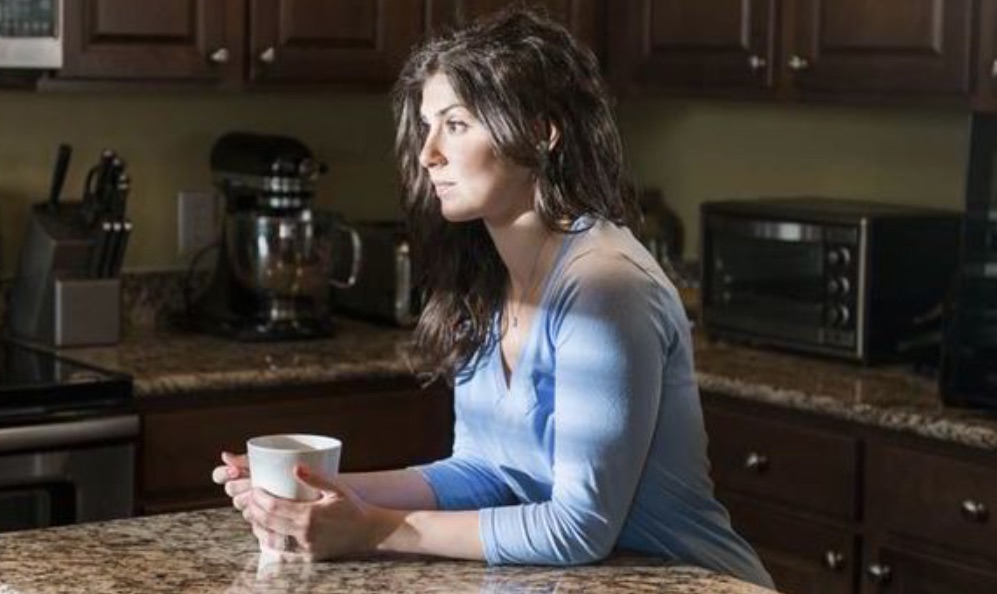
In an article in the Harvard Business Review, Dr. Vivek H. Murthy, the former Surgeon General of the United States, wrote,
” Loneliness and weak social connections are associated with a reduction in lifespan similar to that caused by smoking 15 cigarettes a day and even greater than that associated with obesity.”
Why is loneliness so harmful to our health?
While loneliness is not linked to any single disease, it is a risk factor for a wide array of illnesses and causes of death.

Loneliness as a risk factor for coronary heart disease and stroke. One study looked at cardiovascular disease and included loneliness as a risk factor alongside more recognized factors like smoking.
In the study deficiencies in social relationships were found to increase the risk of developing coronary heart disease and stroke by up to 30%.
When separated from other people, humans find themselves in a psychological stress state some might refer to as “fight or flight.”
Being around other people provides safety and security that stifles this stress state and decreases the perception of loneliness.
When alone, or feeling alone, humans subconsciously sense that they must be more aware of threats in the environment, so the body prepares to deal with them via a stress response.
Stress triggers a cascade of hormones that orchestrate physiological changes in the body.
Most people have experienced a racing heart, muscle tension, or quickness of breath because of stress, all of which prepare us to fight a threat.
The body, however, can’t always discern a real threat from an approaching work deadline or, for example, feelings of loneliness.
Furthermore, repeatedly activating the stress response takes a physical toll, and issues can arise when the body is chronically in that state.
One study acknowledged that elderly individuals, who are already experiencing decline in immune function, are more likely to identify as lonely.
Older people are more vulnerable to immune challenges and are more susceptible to infections and disease. Social isolation and loneliness, therefore, could further compromise the immune functions of an already immunocompromised population.
The body can only handle high levels of stress for so long, regardless of age. If stress batters the immune system early in life, it could take an even more significant toll on the immune system later.

Regarding specific diseases, stress leads to higher levels of inflammation and higher risk for cancer, cardiovascular disease, and diabetes.
This combination may explain the increase in mortality associated with loneliness and why studying the immune system’s response to stress could illuminate how loneliness contributes to so many different diseases.
As mentioned above, researchers are comparing the effects on mortality of being lonely with those of obesity and heavy smoking.
Research has also connected loneliness with accelerated cognitive decline.
Overall, these results indicate that the stress caused by loneliness affects more than emotional health – it also influences physical health.
Social Media Causes Loneliness

Research on social media interactions has shown that loneliness is more pervasive in societies and age groups where social media usage is the highest.
Different kinds of social media influence loneliness more than others.
For example, text-based social media (like Twitter) is more highly associated with loneliness than photo-based social media (like Instagram).
However we can’t just blame social media for damaging our relationships.
Dr. Jacqueline Olds, a psychiatrist, wrote a book on taking the important first step of talking about loneliness as a society – out loud, not online.
The U.K. and U.S. governments are following suit by promoting initiatives which are focused on awareness and openness to get people talking.
In fact when Theresa May was the Prime Minister of the U.K., she implemented the first big govermental intervention by appointing a ministerial lead on loneliness focused on building community.
Now What?

With solutions just beginning to emerge, more research is needed to determine which fixes produce a more connected, less lonely society.
Initial research is already pushing public-health and policy officials to prioritise social engagement factors like loneliness alongside their existing warnings about smoking, diet, and physical activity that we see all the time.
Making connection a priority builds communities that are less burdened by loneliness and are generally more resilient.
While the solution to the loneliness epidemic is multifaceted, encouraging people to build meaningful, mutually beneficial connections is a step in the right direction.
Do yourself a favor and call a friend today.
And Finally…..
Talking from a personal point of view loneliness is one of the most challenging feelings I’ve ever had to overcome. Those who suffer from loneliness will understand just how emotionally debilitating it is and how it can ultimately lead to clinical depression and anxiety.
One of the most frustrating things about being lonely is that even when surrounded by people, I still feel alone and disconnected.
Luckily, though, there are many things I can do to overcome loneliness.
Firstly I won’t give up – not ever – after all giving up is the only way you ever lose.
Secondly I will always believe that there are people who care about me.
I will be able to get through my loneliness if I stick with these principles.
I leave you now with a tune, Still a Friend of Mine sung by the wonderful Mona Lisa Twins.
 Rambling in Pen